
ARTHRITIS CARE IN NOVATO, CA
CHIROPRACTIC CARE FOR ARTHRITIS
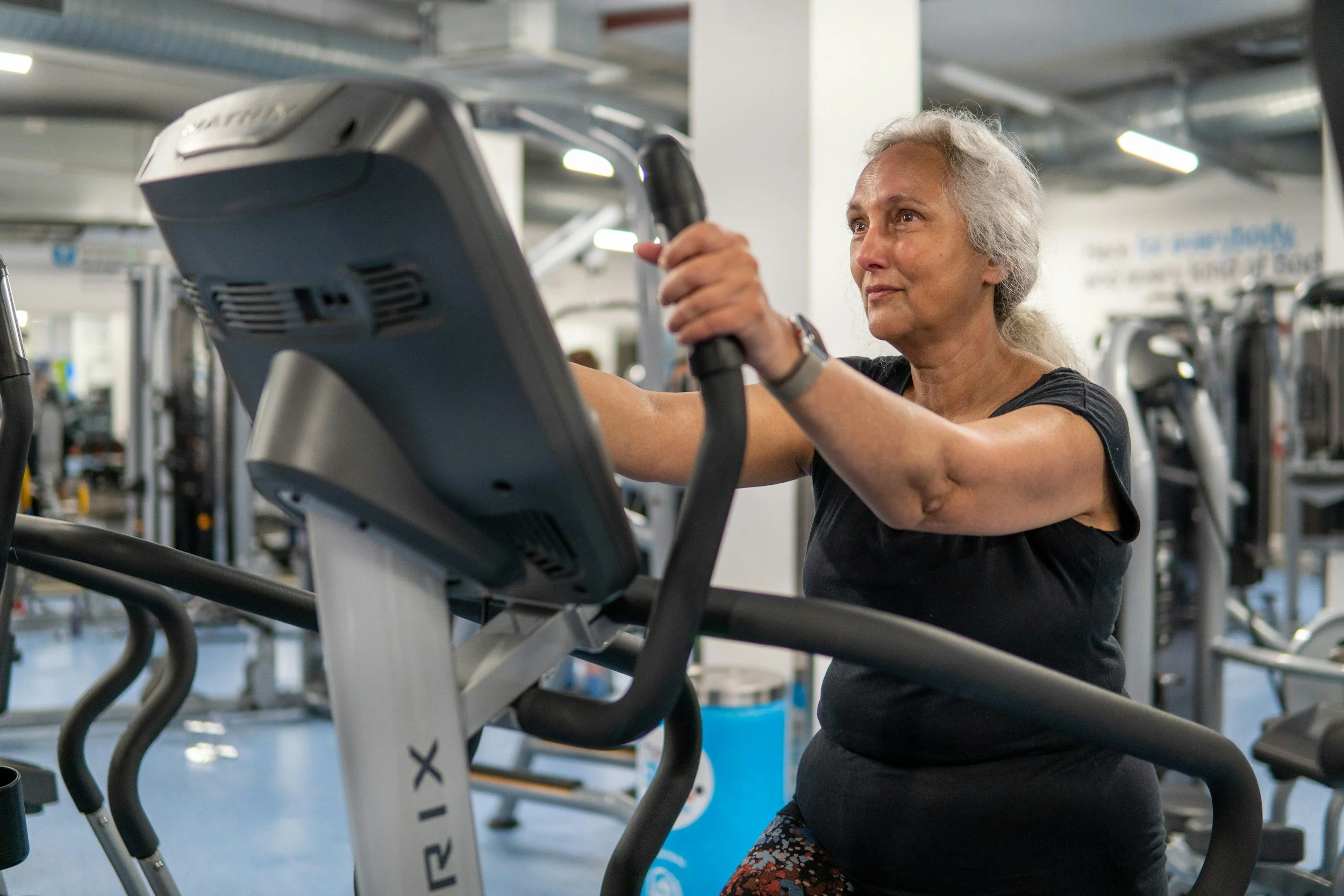
Staying Active with Arthritis
Arthritis can make everyday things harder, getting out of bed, climbing stairs, gardening, playing with grandkids, or keeping up with the walks, hikes, and rounds of golf you enjoy.
At Movement Matters Chiropractic in Novato, CA Dr. Nic Charlton takes a rehab-focused approach to osteoarthritis. Your care starts with understanding your symptoms, assessing how your joints move and how strong the muscles around them are, and identifying what may be making your pain worse.
From there, we create a clear plan that may combine gentle joint mobilization or adjustments, soft tissue therapy, dry needling or cupping, and a progressive exercise program to help you move more comfortably and stay active.
What Contributes to Arthritis Pain
Age-related joint changes. Cartilage and the bone underneath change gradually over time, which is very common and does not always cause pain.
Past injuries. An old ligament, meniscus, or fracture injury can increase the chance of arthritis in that joint later in life.
Muscle weakness. Weaker muscles around a joint mean the joint itself takes more of the load.
Inactivity and stiffness. Moving less can lead to stiffer joints and weaker muscles, which can make pain worse over time.
Body weight and load. Extra load through the hips, knees, and feet can add to joint stress and pain.
Genetics and other health factors. Family history and some health conditions can make arthritis more likely.
THE BASICS
Understanding Your Joints and Arthritis
Common Symptoms of Arthritis
A deep, aching pain in the joint that builds with activity.
Stiffness in the morning or after sitting that eases after you start moving.
Reduced range of motion, such as trouble bending the knee or turning the neck.
Clicking, grinding, or a crunchy feeling when the joint moves.
Mild swelling around the joint after a busy day.
Pain that changes with the weather or activity level.
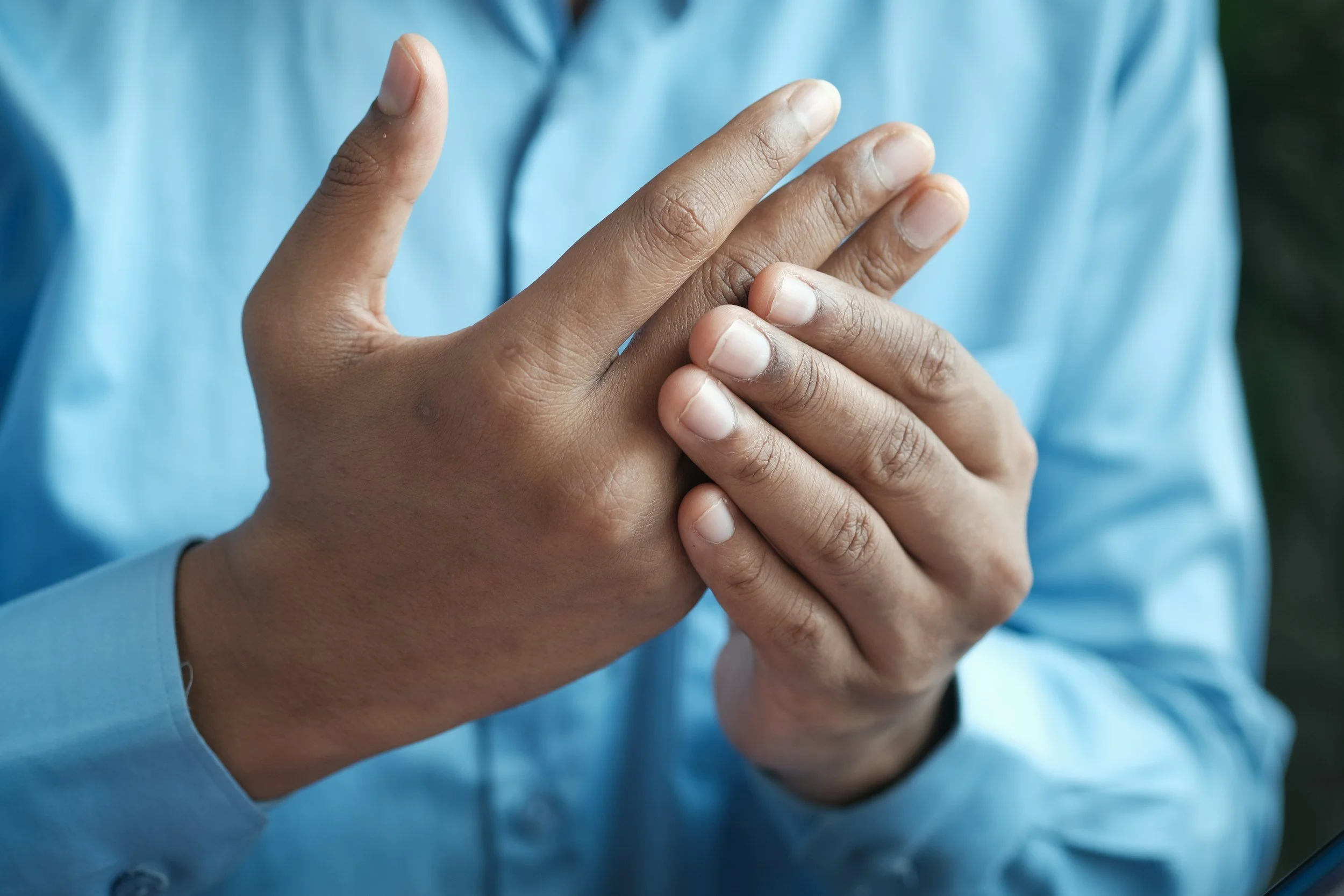
Firm bumps on the finger joints or enlarged, knobby joints.
HOW WE TREAT ARTHRITIS
A Winning Approach
STEP 1
History and Orthopedic Exam
We review your history and perform orthopedic, neurological, strength, and movement testing to see which joints are involved and how they affect your daily activities
STEP 2
Personalized Plan (Start, re-eval, end)
Your care plan is built around your goals and what we find during your exam. I’ll explain which treatments and exercises I recommend, why they fit your needs, and how we’ll measure your progress.
STEP 3
Treatment
Your care may include gentle joint mobilization or adjustments, soft tissue therapy such as ART and Graston, dry needling or cupping, and a progressive strength and mobility program you can keep doing at home.
The Joint as a System
Osteoarthritis is the most common type of arthritis. It affects the whole joint, including the cartilage, bone, joint lining, and surrounding muscles, not just “wear and tear” on the cartilage. When I assess arthritis, I look at how the whole joint and the muscles around it are working.
It’s tempting to think of arthritis like a worn-out car part that can only get worse. But joint changes on an X-ray often don’t match how much pain someone feels. Many people with arthritis can reduce their pain and do more by building strength and staying active.
Joints Commonly Affected by Arthritis
Osteoarthritis most often affects the joints that carry load or do repeated work:
Knees and hips: The large weight-bearing joints that help you walk, climb stairs, and get up from a chair.
Hands and thumbs: The small finger joints and the base of the thumb, which you use for gripping and pinching.
Spine: The small joints of the neck and lower back, which can become stiff and sore with age.
Inside a Joint
Cartilage covers the ends of the bones and helps them glide smoothly. In osteoarthritis, the cartilage gradually thins and the bone underneath changes.
The joint lining (synovium) makes fluid that lubricates and nourishes the joint. It can become irritated in arthritis, which may cause swelling.
Bone spurs (osteophytes) can form at the joint edges over time. They are very common and do not always cause pain.
Nerves around the joint can become more sensitive when it is irritated, which is one reason pain can flare even when the joint itself hasn’t changed.
Muscles around a joint act as shock absorbers and support it. Stronger muscles often mean less pain and better function.
Ligaments and the joint capsule hold the joint together. They can stiffen when a joint is not moved through its full range.
These structures work together. That’s why, when assessing arthritis, I look at both the affected joint and how the muscles and nearby joints share the load.
KNOW YOUR PATTERN
Types of Arthritis We Help With
Arthritis can affect different joints in different ways. Part of your first visit is figuring out which joints are involved and how they affect your day, because that shapes your plan.
Knee osteoarthritis. Pain and stiffness with stairs, squatting, and walking. Strengthening the thigh and hip muscles is one of the most effective ways to reduce pain.
Hip osteoarthritis. Groin or outer hip pain and stiffness, often with putting on socks or getting in and out of the car. We work on hip strength and mobility.
Hand and thumb arthritis. Aching and stiffness in the finger joints or the base of the thumb with gripping. We use hand exercises and practical strategies for daily tasks.
Neck and back arthritis. Stiffness and aching in the spine, often worse in the morning. Gentle mobility and strength work help you stay comfortable and active.
Inflammatory arthritis. Conditions like rheumatoid arthritis need medical diagnosis and care. We can work alongside your doctor on exercise and staying active once the condition is managed.
WHEN TO GET CARE
When to See a Chiropractor for Arthritis
Consider booking a visit if:
Joint pain or stiffness is making it harder to walk, sleep, work, or stay active.
Your joints flare up when you try to exercise or return to an activity you enjoy.
Pain is getting in the way of sleep, work, workouts, or time with your family.
You’re losing strength, balance, or range of motion.
You’re not sure which exercises are safe for your joints, or you want a plan to keep hiking, golfing, or gardening.
When to get medical care first: seek prompt medical attention if a joint becomes suddenly hot, red, and swollen, you have a fever with joint pain, several joints become swollen and stiff for more than an hour each morning, you can’t bear weight after a fall, or you have unexplained weight loss or night pain that doesn’t ease.
MOVEMENT IS MEDICINE
Why Movement Is at the Center of My Care
Research consistently shows that exercise is one of the most effective treatments for osteoarthritis. The American College of Rheumatology’s 2019 guideline strongly recommends exercise for hip, knee, and hand osteoarthritis, and lists it as a first-line treatment for the hip and knee.
That’s why my clinic has an in-house gym, and why your care plan includes the other 23 hours of your day, not just the time you spend with me. We start with exercises your joints tolerate today, then progress you toward the strength and confidence to keep doing what you love.
Want to learn more about how I use movement in care? Read my article, Move Better, Hurt Less.
YOUR FIRST VISIT
What to Expect at Your First Visit
Conversation. We talk through your history, your goals, and what makes your pain better or worse.
Exam. Orthopedic, neurological, and movement testing to find what's driving your symptoms and to rule out anything that needs a referral.
Plan. I explain what I found in plain language, what I recommend, roughly how long I expect care to take, and how we'll measure progress.
Start moving. When appropriate, we begin treatment and you leave with a few exercises to start right away.
Visits are available in our Novato clinic, with full access to our gym, or through our mobile service, which brings care to you anywhere in Marin and Sonoma counties. If your exam suggests you need imaging or a specialist, I'll refer you.
RELATED CONDITIONS
Knee Pain · Hip Pain · Back Pain · Neck Pain
Ready to move better and hurt less? Book an appointment or a free consultation with Dr. Nic Charlton.
Find your Injury
-
Chiropractic care can help many people with osteoarthritis feel and move better. At Movement Matters Chiropractic in Novato, we combine gentle hands-on treatment such as joint mobilization and soft tissue work with a progressive exercise plan, which is one of the best-supported treatments for arthritis. If your symptoms suggest inflammatory arthritis or something that needs a specialist, we’ll refer you.
-
Yes. Exercise is one of the most recommended treatments for osteoarthritis, and it does not wear out your joints. Some soreness during or after exercise can be normal. We’ll help you start at a level your joints tolerate and build from there.
-
Joints often stiffen after rest because the joint fluid and surrounding tissues haven’t been moving. In osteoarthritis, morning stiffness usually eases within about 30 minutes of getting moving. Stiffness that lasts much longer, with swelling in several joints, should be checked by your doctor.
-
Not necessarily. Many people with osteoarthritis have pain that stays stable or improves, especially when they stay active and build strength. How your joint looks on an X-ray often doesn’t match how much it hurts or how well you can move.
-
Strengthening the muscles around the affected joint, along with walking, cycling, swimming, or tai chi, are common starting points. The right mix depends on which joints are involved and what you enjoy, so we will build a plan that fits your joints and your goals.
-
Many people with typical osteoarthritis symptoms can be diagnosed with a history and physical exam. An X-ray can help in some cases, and your doctor may order imaging or blood tests if inflammatory arthritis or another condition is suspected.
-
Often, yes. You may be able to keep training by adjusting the range of motion, using lighter weights with more reps, or swapping high-impact exercise for cycling or swimming during flare-ups. We’ll help you find what you can do now and how to build back up.