
KNEE PAIN TREATMENTS IN NOVATO, CA
CHIROPRACTIC CARE FOR KNEE PAIN
Solution to your Knee Pain
Knee pain can make everyday things harder, climbing stairs, getting up from a chair, kneeling in the garden, chasing your kids, or getting through a run, hike, or ski day.
At Movement Matters Chiropractic in Novato, CA Dr. Nic Charlton takes a rehab-focused approach to knee pain. Your care starts with understanding your symptoms, assessing how your knee, hip, and ankle move together when you squat, step, and land, and identifying what may be contributing to your discomfort.
From there, we create a clear plan that may combine chiropractic adjustments, soft tissue therapy, dry needling or cupping, and targeted hip and knee strengthening to help you move more comfortably and build strength for the activities you enjoy.
Common Causes of Knee Pain
Patellofemoral pain (runner’s knee). Pain around or behind the kneecap, often after a jump in running, stairs, squatting, or hiking.
Patellar tendon pain (jumper’s knee). The tendon below the kneecap becomes sore after a jump in jumping, running, or heavy leg training.
Knee osteoarthritis. Gradual changes in the joint can cause pain and stiffness, especially with stairs, getting up, or after rest.
Meniscus irritation. The cartilage cushions inside the knee can become irritated with twisting or deep squatting, or change gradually with age.
Ligament sprains. A twist, fall, or sports injury can strain the ligaments that stabilize the knee.
Hip, ankle, and training factors. Weak hips, stiff ankles, or a sudden change in training can increase the load on the knee.
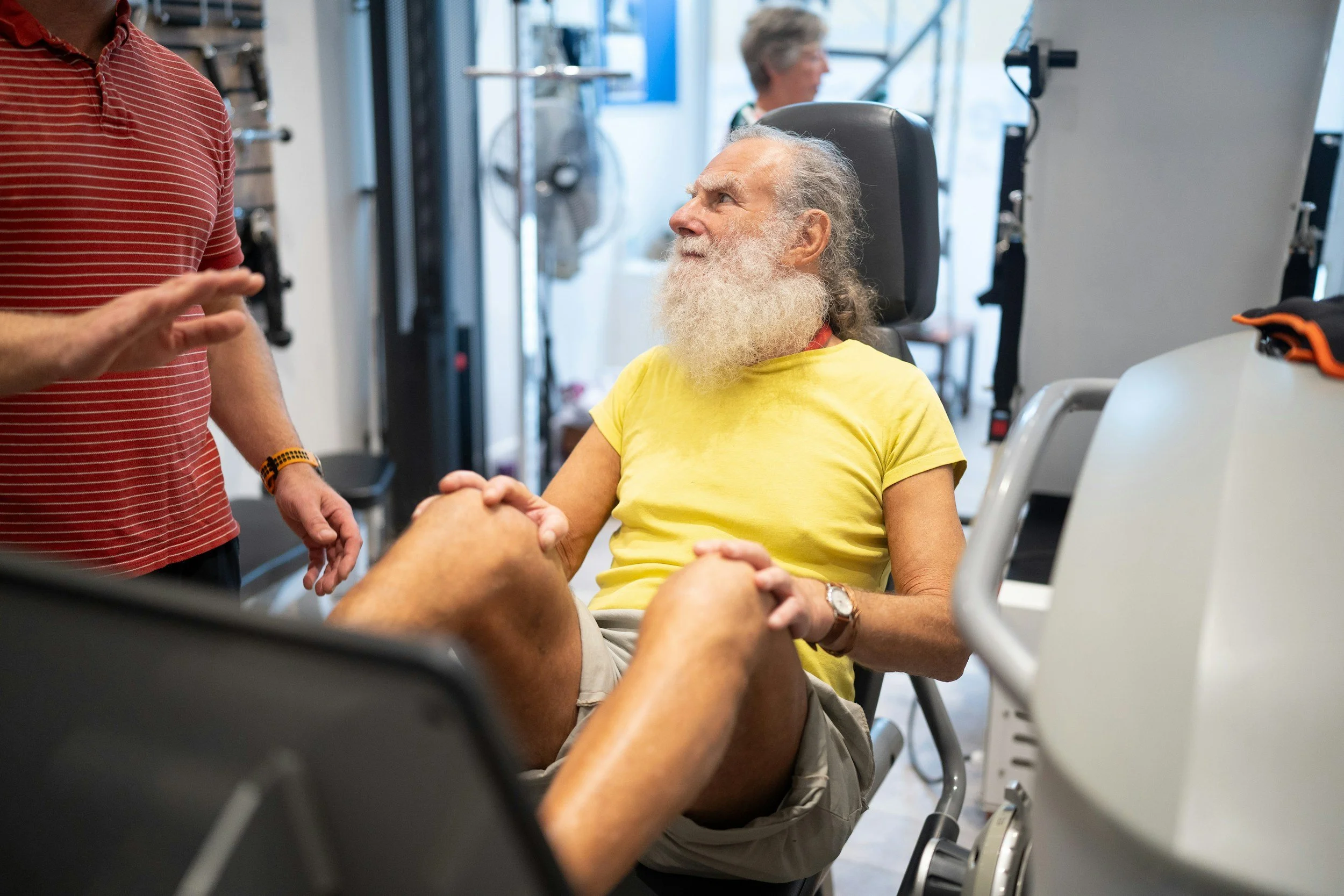
THE BASICS
Understanding Knee Anatomy and Knee Pain
Common Symptoms of Knee Pain
A dull ache around or behind the kneecap.
Pain going up or down stairs, squatting, or kneeling.
Stiffness after sitting for a while or first thing in the morning.
Swelling or a feeling of puffiness around the knee.
Clicking, catching, or a feeling that the knee might give way.
Pain just below the kneecap when you jump, run, or land.
Pain on the inside or outside of the knee with twisting or pivoting.
HOW WE TREAT KNEE PAIN
A Winning Approach
STEP 1
History and Orthopedic Exam
We review your history and perform orthopedic, neurological, and movement testing of your knee, hip, and ankle, including how you squat, step, and balance, to determine what tissues are involved in your pain
STEP 2
Personalized Plan (Start, re-eval, end)
Your care plan is built around your goals and what we find during your exam. I’ll explain which treatments and exercises I recommend, why they fit your needs, and how we’ll measure your progress.
STEP 3
Treatment
Your care may include joint mobilization or adjustments, soft tissue therapy such as ART and Graston, dry needling or cupping, and a progressive hip and knee strengthening program.
The Knee as a System
Your knee sits between your hip and ankle, so it often takes the strain when either of them isn’t doing its share. When I assess knee pain, I look beyond the sore spot to how your hip, ankle, and foot support each step, squat, and landing.
It’s tempting to think of treating knee pain like repairing a car: find the faulty part, replace it, and the problem is solved. But the knee rarely works that way. Pain often reflects how well your tissues are handling the load you put on them, and rebuilding that capacity is a big part of recovery.
The Joints of Your Knee
Your knee is made up of joints that move together:
Tibiofemoral joint: The main hinge between your thigh bone and shin bone, which bends and straightens the knee and allows a small amount of rotation.
Patellofemoral joint: Where your kneecap glides in a groove at the end of your thigh bone as you bend and straighten.
Proximal tibiofibular joint: A small joint on the outside of the knee where the two lower leg bones meet.
Bones, Muscles, Tendons, and Supporting Tissues
Three bones form the knee: the femur (thigh bone), the tibia (shin bone), and the patella (kneecap). The fibula sits just beside the knee on the outside of the leg.
The quadriceps muscles on the front of your thigh connect to the kneecap and, through the patellar tendon, to your shin. They control the knee when you squat, climb stairs, and land.
The menisci are two C-shaped cartilage cushions between the thigh and shin bones. They help spread load and add stability.
Nerves to the knee and leg start in your lower back. That’s why back problems can sometimes be felt as knee or leg pain, tingling, or weakness.
Muscles around your hip, including the glutes, control how your thigh moves. When they are weak, the knee can drift inward and carry more of the load.
Ligaments, including the ACL, PCL, MCL, and LCL, hold the knee together and limit excessive movement. Small fluid-filled bursae reduce friction around the joint.
These structures work together. That’s why, when assessing knee pain, I look at both the knee itself and how your hip, ankle, and foot move as a whole.
KNOW YOUR PATTERN
Types of Knee Pain
Not all knee pain behaves the same way. Part of your first visit is figuring out which pattern fits you, because that shapes your plan.
Runner’s knee (patellofemoral pain). Pain around the kneecap with stairs, squats, running, or sitting for long periods. Hip and knee strengthening is the core of care.
Patellar tendon pain. Pain just below the kneecap that flares with jumping and running. We gradually rebuild the tendon’s tolerance with a progressive loading program.
Knee osteoarthritis. Pain and stiffness that often builds with activity or after rest. Exercise, strength, and staying active are central to managing it well.
Meniscus and ligament injuries. Pain after a twist or sports injury, sometimes with swelling, catching, or a feeling of instability. We restore motion and strength and guide your return to sport.
Hip- and ankle-related knee pain. Knee pain driven by weak hips, stiff ankles, or how you land and squat. We treat the whole chain, not just the knee.
WHEN TO GET CARE
When to See a Chiropractor for Knee Pain
Consider booking a visit if:
Your pain hasn’t improved after a week or two.
Your knee keeps flaring up when you return to running, the gym, hiking, or sport.
Pain is getting in the way of sleep, work, workouts, or time with your family.
Your knee feels stiff, weak, or unstable, or stairs are getting harder.
You’re not sure which exercises are safe, or you want a plan to get back to running, skiing, or sport.
When to get medical care first: seek prompt medical attention if you can’t bear weight after an injury, the knee locks and won’t straighten, it swells quickly after a pop or twist, it is hot, red, and swollen or you have a fever, or you have calf pain, swelling, and warmth in the same leg.
MOVEMENT IS MEDICINE
Why Movement Is at the Center of My Care
Research consistently shows that exercise is one of the most effective treatments for knee pain. The American College of Rheumatology’s 2019 guideline recommends exercise as a first-line treatment for knee osteoarthritis, and a 2019 clinical practice guideline on patellofemoral pain in the Journal of Orthopaedic & Sports Physical Therapy recommends exercise that targets both the hip and knee muscles.
That’s why my clinic has an in-house gym, and why your care plan includes the other 23 hours of your day, not just the time you spend with me. We start by adjusting how you load your knee to calm things down, then progress you toward the strength and confidence to get back to what you love.
Want to learn more about how I use movement in care? Read my article, Move Better, Hurt Less.
YOUR FIRST VISIT
What to Expect at Your First Visit
Conversation. We talk through your history, your goals, and what makes your pain better or worse.
Exam. Orthopedic, neurological, and movement testing to find what's driving your symptoms and to rule out anything that needs a referral.
Plan. I explain what I found in plain language, what I recommend, roughly how long I expect care to take, and how we'll measure progress.
Start moving. When appropriate, we begin treatment and you leave with a few exercises to start right away.
Visits are available in our Novato clinic, with full access to our gym, or through our mobile service, which brings care to you anywhere in Marin and Sonoma counties. If your exam suggests you need imaging or a specialist, I'll refer you.
RELATED CONDITIONS
Hip Pain · Foot and Ankle Pain · Arthritis · Back Pain
Ready to move better and hurt less? Book an appointment or a free consultation with Dr. Nic Charlton.
Find your Injury
-
Many people with knee pain improve with conservative care. At Movement Matters Chiropractic in Novato, we combine hands-on treatment such as joint mobilization, soft tissue work, and dry needling or cupping with a progressive hip and knee strengthening plan. Treatment is guided by your exam, and if your symptoms suggest something that needs imaging or a specialist, we’ll refer you.
-
Stairs put extra load through the kneecap joint and the tendons at the front of the knee. Pain on stairs is common with runner’s knee and knee osteoarthritis. Strengthening the hip and thigh muscles and gradually building tolerance usually helps.
-
Not always. Many people can keep running by reducing distance, slowing the pace, avoiding hills for a while, or running every other day. A little discomfort that settles by the next day is often okay. We’ll help you find a level your knee tolerates and build from there.
-
Yes. Exercise is one of the most recommended treatments for knee osteoarthritis. Strengthening, walking, cycling, and swimming can reduce pain and improve function. We’ll help you choose the right type and amount for your knee.
-
Hip and thigh strengthening, such as glute bridges, side-lying leg raises, and step-ups, are common starting points. The right exercises and amount depend on what is causing your pain and how irritable it is, so we will build a plan that fits your knee and your goals.
-
Most people with knee pain can start with a history and physical exam. An X-ray may be needed after an injury if you can’t bear weight or there is tenderness over certain bones. An MRI may help if the knee locks, gives way repeatedly, or symptoms aren’t improving with care.
-
Often, yes. You may be able to keep training by reducing the depth of squats and lunges, using lighter weights, or focusing on upper body and hip work for a while. We’ll help you find what you can do now and how to build back up.