
SHOULDER PAIN TREATMENTS IN NOVATO, CA
CHIROPRACTIC CARE FOR SHOULDER PAIN
Solution to your Shoulder Pain
Shoulder pain can make everyday things harder, reaching into a cupboard, sleeping on your side, lifting your kids, or getting through a workout, swim, or round of golf.
At Movement Matters Chiropractic in Novato, CA Dr. Nic Charlton takes a rehab-focused approach to shoulder pain. Your care starts with understanding your symptoms, assessing how your shoulder, shoulder blade, neck, and upper back move together, and identifying what may be contributing to your discomfort.
From there, we create a clear plan that may combine chiropractic adjustments, soft tissue therapy, dry needling or cupping, and targeted exercise to help you move more comfortably and build strength for the activities you enjoy.
Common Causes of Shoulder Pain
Rotator cuff irritation. The rotator cuff tendons can become sore after a jump in lifting, throwing, swimming, or overhead work.
Rotator cuff strains or tears. These can follow a fall or heavy lift, or develop gradually with age and repeated load.
Bursitis. The bursa, a small fluid-filled cushion near the top of the shoulder, can become irritated and painful with overhead movement.
Frozen shoulder. The joint capsule thickens and tightens, causing gradual pain and a marked loss of motion.
AC joint and arthritic changes. Wear or an old injury at the top of the shoulder can cause pain with reaching across the body or lifting.
Neck and upper back problems. Irritation in the neck or stiffness in the upper back can refer pain into the shoulder or change how it moves.

THE BASICS
Understanding Shoulder Anatomy and Shoulder Pain
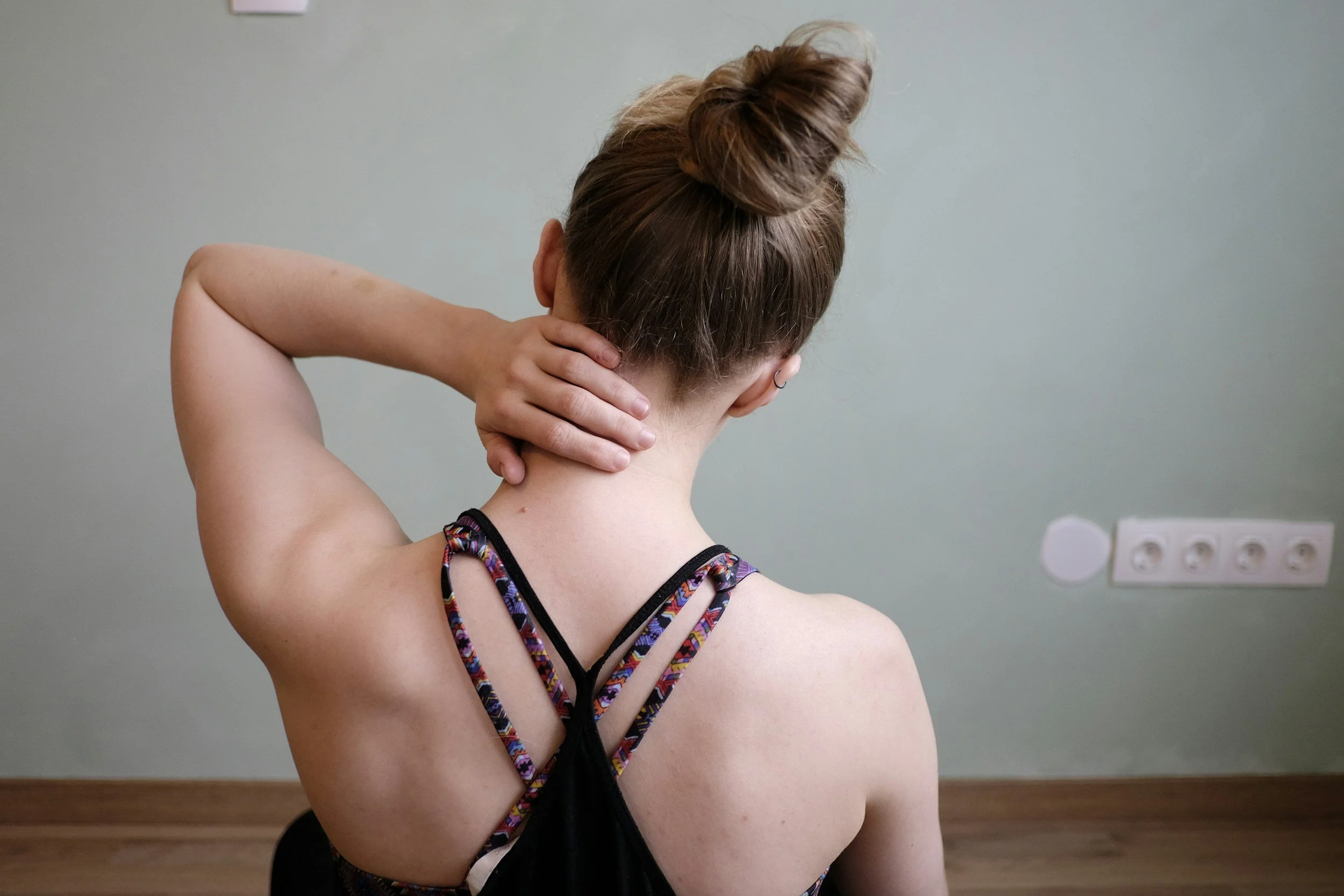
Common Symptoms of Shoulder Pain
A dull ache at the front, side, or top of the shoulder.
Sharp pain when lifting your arm overhead or reaching behind your back.
Stiffness that makes it hard to do your hair, put on a jacket, or fasten a bra.
Pain when lying on the affected side, often waking you at night.
Weakness when lifting, carrying, or throwing.
Pain that spreads down the outside of the upper arm.
Tingling or numbness in the arm or hand, which can point to the neck.
HOW WE TREAT SHOULDER PAIN
A Winning Approach
STEP 1
History and Orthopedic Exam
We review your history and perform orthopedic, neurological, and movement exams of your shoulder, shoulder blade, and neck to determine what tissues are involved in your pain
STEP 2
Personalized Plan (Start, re-eval, end)
Your care plan is built around your goals and what we find during your exam. I’ll explain which treatments and exercises I recommend, why they fit your needs, and how we’ll measure your progress.
STEP 3
Treatment
Your care may include chiropractic adjustments, soft tissue therapy such as ART and Graston, dry needling or cupping, and a progressive strengthening program for your shoulder and shoulder blade.
The Shoulder as a System
The shoulder is the most mobile joint in your body, and that mobility depends on many structures working together. When I assess shoulder pain, I look beyond the sore spot to how your shoulder blade, upper back, and neck support each movement.
It’s tempting to think of treating shoulder pain like repairing a car: find the faulty part, replace it, and the problem is solved. But the shoulder rarely works that way. Pain often reflects how well your tissues are handling the load you put on them, and rebuilding that capacity is a big part of recovery.
The Joints of Your Shoulder
Your shoulder is made up of several joints that move together:
Glenohumeral joint: The ball-and-socket joint where your upper arm meets your shoulder blade, and the source of most of your shoulder’s range of motion.
Acromioclavicular (AC) joint: Where your collarbone meets the top of your shoulder blade.
Scapulothoracic joint: How your shoulder blade glides over your rib cage, positioning the socket for every reach and lift.
Bones, Muscles, Tendons, and Supporting Tissues
Three bones form the shoulder: the humerus (upper arm bone), the scapula (shoulder blade), and the clavicle (collarbone). The socket is shallow, which allows a wide range of motion but relies on muscles and soft tissues for stability.
The rotator cuff is a group of four muscles whose tendons wrap around the top of the upper arm bone. They keep the ball centred in the socket and help lift and rotate your arm.
The labrum and joint capsule deepen and surround the socket. The labrum is a rim of cartilage, and the capsule is a sleeve of connective tissue that can thicken and tighten in conditions like frozen shoulder.
Nerves that supply your shoulder and arm start in your neck. That’s why neck problems can sometimes be felt as shoulder or arm pain, tingling, or weakness.
Muscles around your shoulder blade, including the trapezius and serratus anterior, control its position and movement. When they don’t work well together, the rotator cuff can end up carrying more of the load.
Bursae are small fluid-filled sacs that reduce friction between tendons and bone. Ligaments connect bone to bone and help limit excessive movement.
These structures work together. That’s why, when assessing shoulder pain, I look at both the individual joints and how your shoulder, shoulder blade, and upper back move as a whole.
KNOW YOUR PATTERN
Types of Shoulder Pain
Not all shoulder pain behaves the same way. Part of your first visit is figuring out which pattern fits you, because that shapes your plan.
Rotator cuff problems. Pain and weakness from irritated, strained, or torn rotator cuff tendons, often felt when lifting or rotating the arm. Most respond well to a progressive strengthening plan.
Shoulder impingement. Pain when raising the arm, especially between shoulder and head height. We look at how your rotator cuff and shoulder blade control the movement, then build strength and tolerance through that range.
Frozen shoulder. A gradual onset of pain followed by marked stiffness that can last many months. Care focuses on easing pain, keeping the shoulder moving within comfort, and restoring range as the stiffness eases.
Posture- and neck-related pain. Aches across the top of the shoulder or into the arm that build after long hours at a desk, often linked to the neck and upper back. We assess and treat the neck and upper back along with the shoulder.
Bursitis and tendinitis. Irritation of the bursa or tendons around the shoulder, often after a sudden increase in activity. We calm things down, then gradually build the shoulder’s capacity so it can handle your activities again.
WHEN TO GET CARE
When to See a Chiropractor for Shoulder Pain
Consider booking a visit if:
Your pain hasn’t improved after a week or two.
Your shoulder keeps flaring up when you return to the gym, sport, or overhead work.
Pain is getting in the way of sleep, work, workouts, or time with your family.
You’re losing range of motion or strength in your arm.
You’re not sure which exercises are safe, or you want a plan to get back to lifting, throwing, swimming, or golf.
When to get medical care first: seek emergency care right away if shoulder or arm pain comes with chest pressure, shortness of breath, sweating, or nausea, as these can signal a heart problem. Also get prompt medical attention after a fall or injury with obvious deformity or if you can’t lift your arm at all, or if your shoulder is hot, red, and swollen or you have a fever.
MOVEMENT IS MEDICINE
Why Movement Is at the Center of My Care
Research consistently shows that exercise is one of the most effective tools for rotator cuff-related shoulder pain. A 2025 clinical practice guideline published in the Journal of Orthopaedic & Sports Physical Therapy rates exercise therapy, including progressive strengthening, as the core of care, and advises against routine MRI in the first 12 weeks for most people.
That’s why my clinic has an in-house gym, and why your care plan includes the other 23 hours of your day, not just the time you spend with me. We start by adjusting how you load your shoulder to calm things down, then progress you toward the strength and confidence to get back to what you love.
Want to learn more about how I use movement in care? Read my article, Move Better, Hurt Less.
YOUR FIRST VISIT
What to Expect at Your First Visit
Conversation. We talk through your history, your goals, and what makes your pain better or worse.
Exam. Orthopedic, neurological, and movement testing to find what's driving your symptoms and to rule out anything that needs a referral.
Plan. I explain what I found in plain language, what I recommend, roughly how long I expect care to take, and how we'll measure progress.
Start moving. When appropriate, we begin treatment and you leave with a few exercises to start right away.
Visits are available in our Novato clinic, with full access to our gym, or through our mobile service, which brings care to you anywhere in Marin and Sonoma counties. If your exam suggests you need imaging or a specialist, I'll refer you.
RELATED CONDITIONS
Neck Pain · Headaches · Back Pain · SI Joint Pain
Ready to move better and hurt less? Book an appointment or a free consultation with Dr. Nic Charlton.
Find your Injury
-
Many people with shoulder pain improve with conservative care. At Movement Matters Chiropractic in Novato, we combine hands-on treatment such as adjustments, soft tissue work, and dry needling or cupping with a progressive exercise plan. Treatment is guided by your exam, and if your symptoms suggest something that needs imaging or a specialist, we’ll refer you.
-
Pain when raising your arm, especially between shoulder and head height, is common with rotator cuff irritation and impingement. It usually means the tendons are sensitive to load right now, not that something is permanently damaged. Easing back on overhead work for a while and gradually strengthening the shoulder usually helps.
-
Lying on the painful side compresses irritated tissues, and many shoulder problems feel worse after a busy day. Sleeping on the other side while hugging a pillow, or on your back with a pillow under your elbow, can help while we work on the underlying problem.
-
It can be. The nerves to your shoulder and arm start in your neck, so neck problems can be felt in the shoulder. Clues include pain that changes when you move your neck, or tingling, numbness, or weakness in the arm or hand. Your exam includes a neck screen so we can tell the difference.
-
Gentle range-of-motion work and progressive strengthening of the rotator cuff and shoulder blade muscles are common starting points. The right exercises depend on what’s causing your pain and how irritable it is, so we’ll build a plan that fits your shoulder and your goals.
-
Most people with shoulder pain can start with a history and physical exam. Current guidelines advise against routine MRI in the first 12 weeks for rotator cuff-related pain, partly because tendon changes are common in people with no pain at all. Imaging may be appropriate after a significant injury, if you can’t lift your arm, or if symptoms aren’t improving with care.
-
Often, yes. You may be able to keep training by reducing the weight, shortening the range of motion, doing fewer sets, or switching to a movement you tolerate better. Pay attention to how your symptoms respond during the workout and afterward. If pain starts traveling farther down your leg or you develop new numbness or weakness, get assessed before progressing your training.